5 Books to Read During Pregnancy (An Alternative to What to Expect When You are Expecting)
We were asked this question by a reader:
“I’ve just found out I’m pregnant, and I’m looking for a few reference books. My doctor is the type who will want to run every test available and I’d like as non-invasive a pregnancy as possible. Any ideas on books that will give me an alternative view from the “What to Expect…” view?”
What to Expect When You Are Expecting has some good information in it and the section that shows how your baby is developing is fun to read. The problem with it however, is that it also tells you everything that can go wrong which tends to make mothers worry. My husband actually told me to stop reading it when we were pregnant with our first son because I would call him practically in tears worried that some ache I was having meant that something was horribly wrong with the baby. I know other women who have had similar experiences after referring to the book. Some people do find it helpful but it is also very intervention oriented. It offers a very medicalized view of pregnancy and birth. **I know I ususally mention this in my posts about pregnancy and birth, but even if you plan on getting an epidural for pain relief there are other books out there with a less medicalized view of birth that can help you prepare for pregnancy and birth.
Here are my top 5:
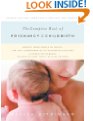 The Complete Book on Pregnancy and Childbirth by Sheila Kitzinger-This book covers the development of the baby as well as all the changes that are happening with the mother. This book takes more of a mother-centered approach (versus a medical establishment approach to pregnancy and birth). It covers hospital birth, homebirth, birth centers, waterbirth. It does take a more natural birth approach to birth but perhaps if What to Expect is more up your alley this could be a book to read to help balance out the views in What to Expect.
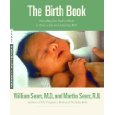 The Birth Book by Martha Sears-This book is a great intro to labor and birth. She is a nurse and her husband is a doctor. They offer an alternative view of the routine procedures that are done within the medical establishment (episiotomies, continuous fetal monitoring, testing…). There is tons of information in it about laboring techniques, what happens during labor, and procedures offered during pregnancy and labor.
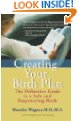
Creating Your Birth Plan: A Definitive Guide to a Safe and Empowering Birth by Marsden Wagner-This book is top notch for giving you information to help you make an INFORMED decision as you come up with your birth plan and think about what kind of birth you want. It explains a lot of the medical procedures and interventions in addition to giving you guidelines to make sure you choose a provider that will listen to you and offer you mother-centered care. Marsden Wagner is a doctor who has seen the worst part of medical care for pregnant women in the US. He holds nothing back about the way that many women are treated when they are pregnant or in childbirth.
 Thinking Woman’s Guide to a Better Birth by Henci Goer-This book addresses topics that many pregnant woman face and what research shows about it (i.e. episiotomy rate, inductions, epidurals, intermittent fetal monitoring, the difference between how doctors and midwives view birth, routine breaking the waters…)
 Natural Birth the Bradley Way by Susan McCutcheon-Obviously this book is about natural birth. It is very practical and covers many relaxation techniques, the ins and out of what is happening to your body during labor, laboring with a posterior baby, different laboring positions, and pushing positions. It has lots of helpful pictures and diagrams.
Did What to Expect make you freak out? What helpful books did you read during pregnancy? Have you read any of these books?
Share the fun: Email + Del.icio.us + Digg + Technorati

 My family just moved from Pittsburgh, Pennsylvania to Dallas, Tx (for the summer) in a car and moving truck. That’s right, 21 hours of actual driving time. In two days. That made for long days with pit stops.
 Until recently, I assumed that the divorce rate among parents of children with special needs, including Down syndrome have a higher divorce rate than parents of children who do not have special needs due to the additional obstacles these parents face. I was surprised to learn that, in fact, parents of children with Down syndrome have a lower divorce rate than parents of children without special needs. In my own marriage, I can see how having Darah has strengthened my relationship with my husband. She is an absolute joy to parent and watch grow up. Neither of us could have ever dreamed that we would have this much love for someone. Our perspective on life is drastically different than what is likely would have been had we not had a child with special needs. We appreciate the small things and have overcome very big things since Darah has joined our lives, which has definitely strengthened our relationship. Truth be told, having a child with Down syndrome has most certainly added stress to my relationship with my husband, but we both hands-down agree that the most stressful season of our relationship were the colicky days of our typical developing son.